The History
A River, A Vision & A City Ahead of Its Time
Where the story of Hyderabad begins
Long before Hyderabad became a global city, it grew beside a river that shaped its destiny. The Musi! And the history of Hyderabad cannot be told without the Musi River that flows through its heart and has shaped the history and growth of Hyderabad for centuries.
Origin of the Musi River
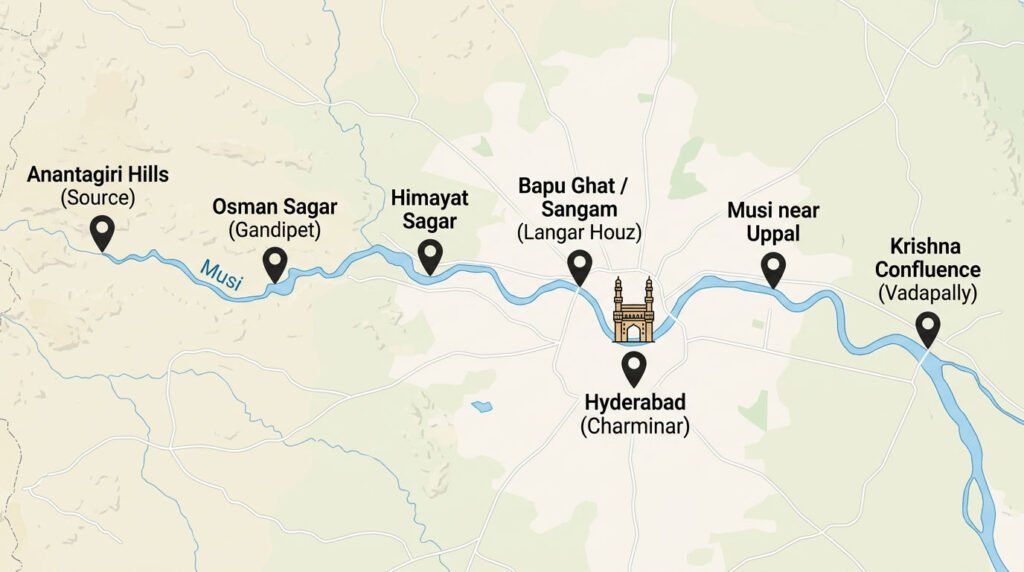
Originating in the Ananthagiri Hills near Vikarabad, nearly 100 kilometres west of the city, the river, or rather its two small tributaries – Musa and Esi – flows eastward across the Deccan Plateau before eventually joining the Krishna River after a 240-kilometre journey.
1591 - Founding of Hyderabad
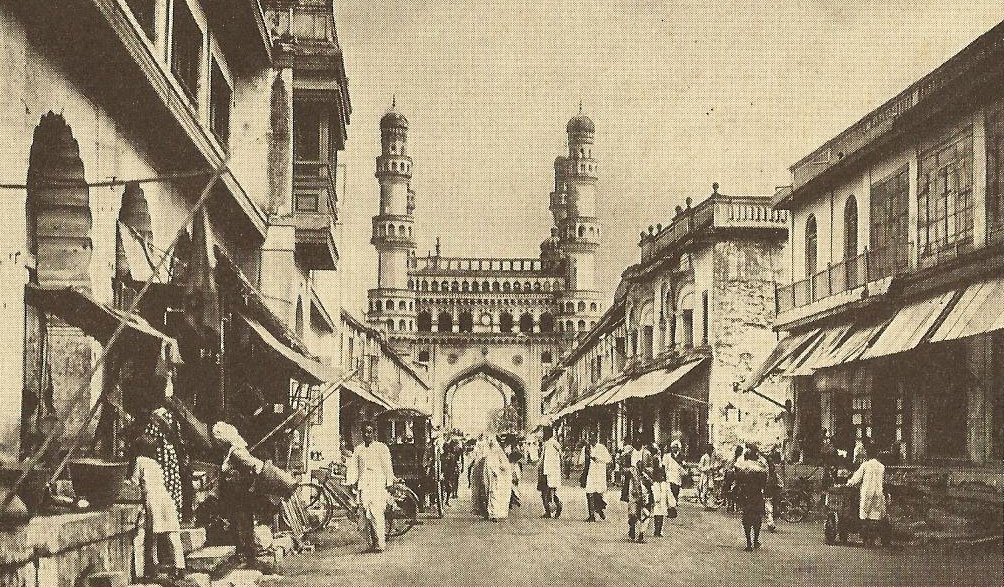
Historically known as Muchukunda, the Musi played a central role in the founding of Hyderabad. In 1591, Muhammad Quli Qutb Shah established the city along the southern banks of the river, shifting the capital from Golconda.
It served both as a water source and a natural boundary separating settlements. Bridges such as Puranapul later connected the city’s expanding neighbourhoods across the river.
Cultural Life Around the Musi
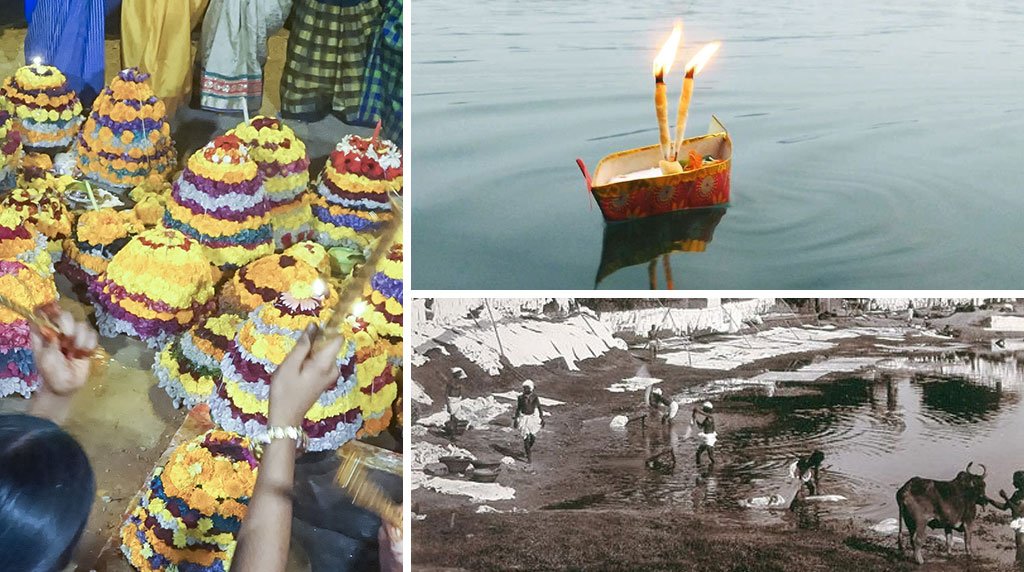
The Musi also became deeply woven into the cultural life of Hyderabad. Some religious and festive rites were once common along its banks
- Ritual bathing during Karthika Pournami
- Immersion of flowers during the Bathukamma festival
- Muharram rituals
While other things such as dhobi ghats, cremation grounds and temples dotted the riverfront, reflecting the river’s importance to daily life.
How the Musi River built a city
No civilisation grows by accident. Water, foresight, and future planning make it possible. And the founders of Hyderabad proved that they were not only builders but also “planners who listened to nature”.
Legend recalls that when a devastating drought struck centuries ago, the ruler prayed for protection for his people and vowed to build the Charminar in gratitude for relief. Whether one sees it as faith or folklore or history, it reflects how deeply water shaped Hyderabad’s identity.
It is important, therefore, to understand the significance of the Musi River in the context of its origins, its history, its inextricable connection to Hyderabad’s development, and its ruin in the long run…
For decades, this river protected the city and sustained its water supply.
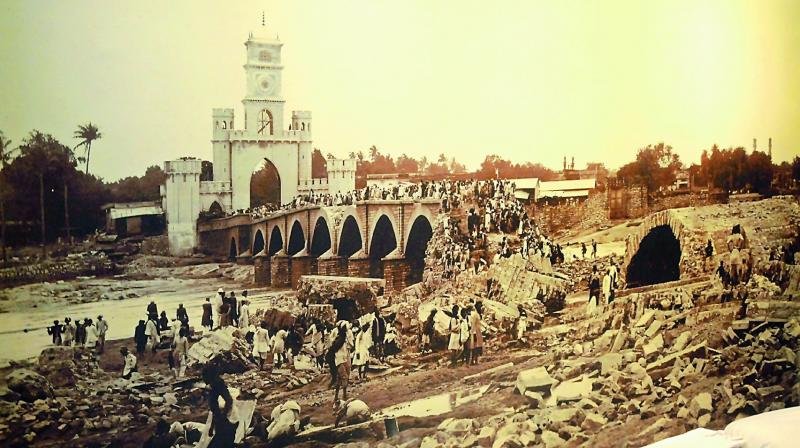
1908 - The Great Musi Flood
The river’s course also marked a major turning point in the city’s history during the Great Musi Flood. Torrential rains caused the river to swell dramatically, killing thousands and destroying large parts of Hyderabad. The disaster prompted the Nizam’s government to undertake major flood-control measures.
The turning point: Nizams’ careful planning & an engineer’s genius
It was a turning point when, in 1908, nature reminded the city of both drought and deluge. Instead of ignoring the disaster, leadership chose to act. The Nizam commissioned M. Visvesvaraya to plan for a city that would grow.
The result was extraordinary.
Two reservoirs – Osman Sagar and Himayath Sagar – were created to protect a city that was expected to grow. While the Osman Sagar Reservoir was built by the Nizam Mir Osman Ali Khan in 1920, Himayat Sagar reservoir was built during the reign of the last Nizam of Hyderabad, Nizam VII, and is named after his youngest son Himayat Ali Khan in the year 1927.
These reservoirs helped regulate floods and became major drinking water sources for Hyderabad and Secunderabad. The Musa and Esi streams flowed from these catchments and met at the Sangam at Bapu Ghat, beginning the Musi’s journey through Hyderabad.
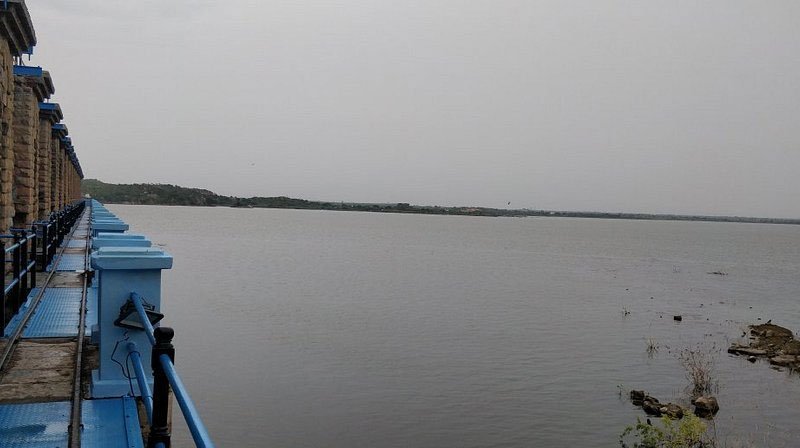
Himayath Sagar
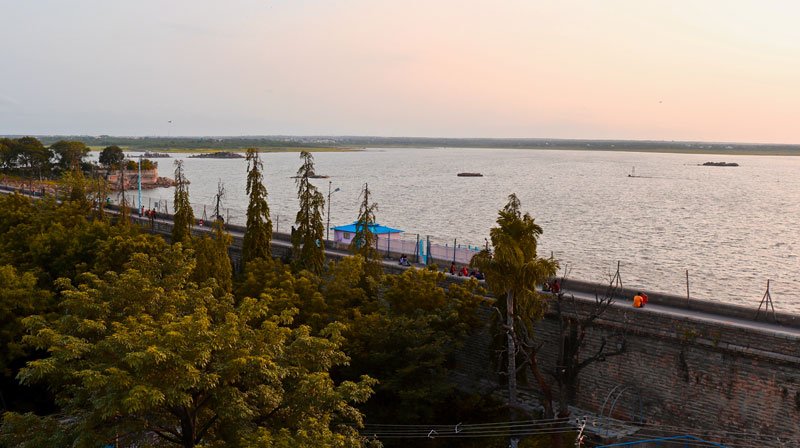
Osman Sagar
It was elegant engineering which ensured that lakes were connected by nalas, floodplains were left open and natural water flow was preserved.
That design gave Hyderabad stability. The system worked because it respected nature.
Lakes stored excess rainwater
Nalās connected water bodies
Floodplains absorbed overflow
Groundwater recharged naturally
Then came the catastrophic 1908 Musi Flood.
It was a turning point when nature reminded the city of both drought and deluge. Instead of ignoring the disaster, leadership chose to act. The Nizam commissioned M. Visvesvaraya to plan for a city that would grow.
The result was extraordinary.
Two reservoirs – Osman Sagar and Himayath Sagar – were created to protect a city that was expected to grow. Streams called Musa and Esi flowed from these catchments and met at Bapu Ghat, beginning the Musi’s journey through Hyderabad.
It was elegant engineering which ensured that lakes were connected by nalas, floodplains were left open and natural water flow was preserved.
That design gave Hyderabad stability. The system worked because it respected nature:
Lakes stored excess rainwater
Nalās connected water bodies
Floodplains absorbed overflow
Groundwater recharged naturally
What it was, what it is…
Hyderabad was originally designed for a population of 10 lakh people, and a capacity of withstanding about 2 cm of rainfall in a day. Today, the city has grown to 1.2 crore people and witnesses 30-40 cm of rainfall during intense monsoons.
Over the decades – through successive regimes – industrial expansion, pharma growth, biotech hubs, sewage discharge, encroachments and unplanned settlements began discharging untreated waste into the river and disrupted the ecological balance.
The lakes have shrunk. The river has suffered. Natural drainage was blocked. Encroachments have choked feeder channels. Wetlands were built over. In many stretches, the once-a-fountain-of-life has become a channel of waste and stench.
By the 1970s, the problem deepened. After 1991, it accelerated. The Musi slowly lost her ability to cleanse herself.
Downstream, especially toward Nalgonda, polluted waters began affecting soil, livestock and livelihoods. What once nourished life became a burden now.
Lessons from the past
Going by what has happened in, and to, Hyderabad over the past few decades, it is evident that history teaches two lessons:
First, Hyderabad prospered because it respected its water systems.
Second, every time it ignored the waterbodies, nature responded.
The Musi did not fail Hyderabad. Hyderabad failed the Musi.
Now, history offers us a second chance to restore what has already proven that it works!