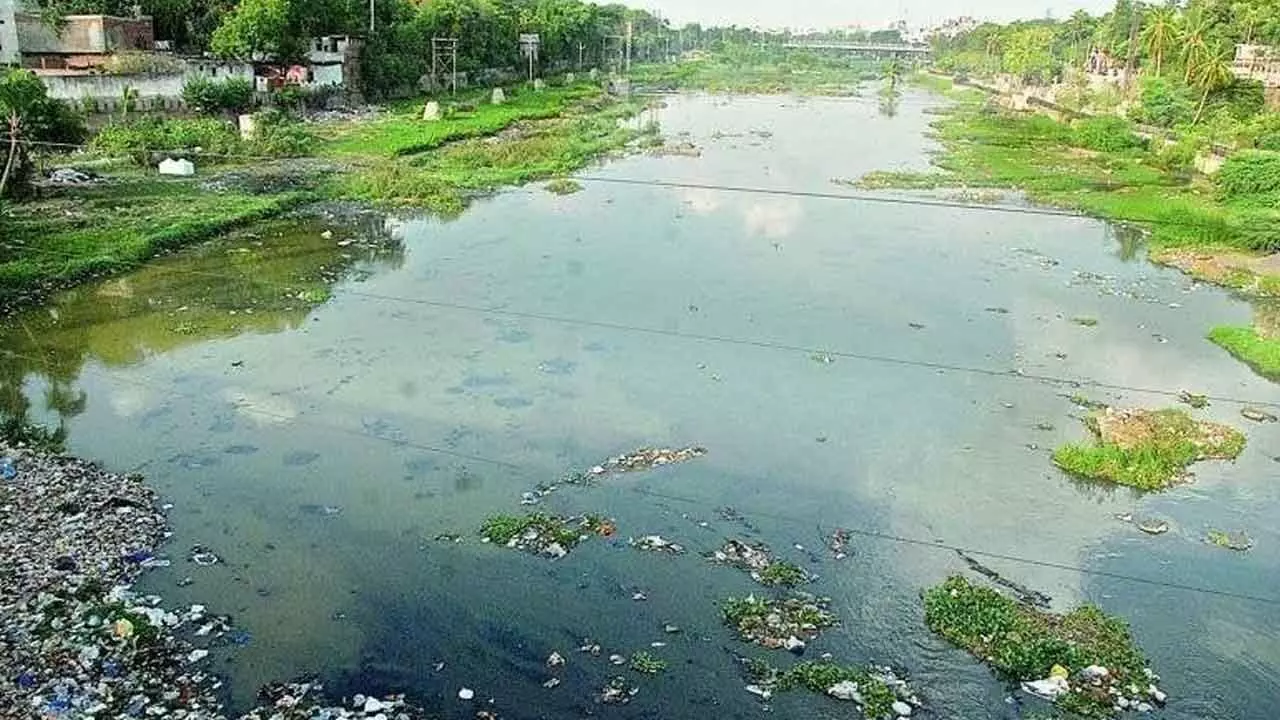
Long considered as an ecological liability, Hyderabad’s Musi River is going to undergo a complete transformation. The aim is to convert the neglected waterway into a 55-kilometre sustainable urban corridor, and to feature it as advanced infrastructure and a source of environmental restoration.
Urbanisation had a big effect on Hyderabad’s main river and watersource as the city grew into a tech hub. The Musi slowly became a place where sewage from homes and untreated industrial waste were dumped. So, what used to be a source of life and drinking water became a toxic threat, full of water hyacinths, nauseating odour, and a lot of damage to the environment.
Big plan, bigger efforts
The Musi River rejuvenation project is a huge plan by the Telangana Congress government under Chief Minister A Revanth Reddy to bring the river back to life. Rather than being a quick cleanup drive, this project aims to give the river a complete facelift to nurture it back to normal. While cleaning up the water is the main goal of this renewal project, the team is putting a lot of emphasis on “building sustainable infrastructure”. The project is setting up many Sewage Treatment Plants to catch and clean wastewater before it flows into the riverbed.
The city is actively trying to bring back aquatic life and fill up the groundwater tables around it by getting rid of solid waste and using advanced bio-remediation.
What is the ‘blue-green corridor’?
The ambitious plan for the riverfront includes a continuous “blue-green” corridor. The project wants to turn a former eyesore into a beautiful place to visit by building:
- Parks with lots of trees
- Walking and bike paths
- Recreational spaces for people to have fun along the Musi banks
Ultimately, this riverfront project is expected to greatly increase tourism in the area, create jobs, and help the local economy grow.
Defining the royal heritage
The initiative to revive Hyderabad stands at a unique juncture which merges the city’s royal heritage lore with its contemporary “smart city” development. The sites which will get a facelift include the historic Charminar, Salar Jung Museum, Chowmahalla Palace, Purana Pul, Osmania General Hospital, Telangana High Court Building, British Residency, Golconda Fort, Qutb Shahi Tombs, and the State Central Library.
The transformation of the Musi River from a “neglected drain” to a “thriving urban oasis” demonstrates that even severely degraded ecosystems can be fully restored through coordinated efforts between the government and local communities. Ultimately, the goal is to reconnect people with their cultural roots and restore the city’s natural sense of pride.